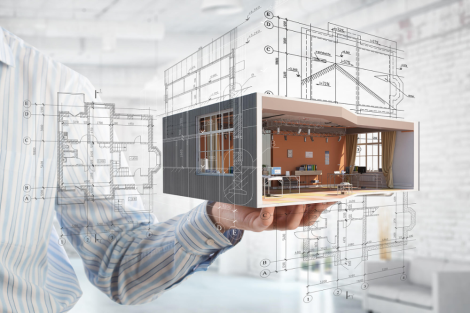
Adapting infrastructure to the climate has become vital
Whether they are floods, heatwaves, or storms, climate hazards put our buildings and networks to the test. This challenge is driving the construction sector to reinvent itself, from design through to construction and including the choice of materials and building methods.
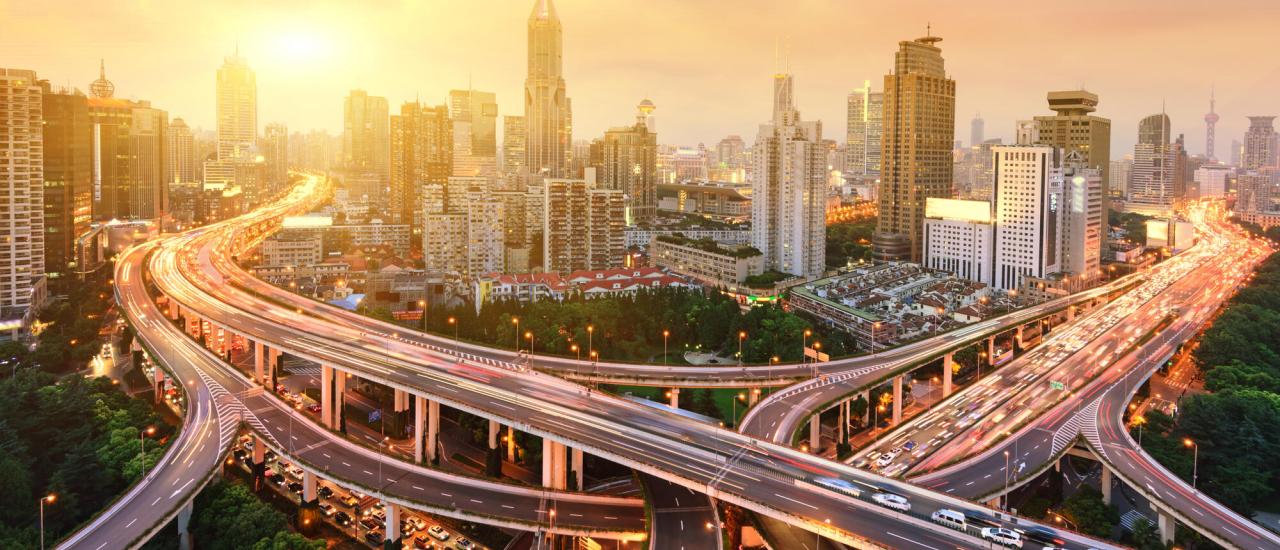
In two decades, the frequency of natural disasters has almost doubled, and their impact is felt not only on our homes, but also on our infrastructure: roads cracked by heatwaves, bridges weakened by floods, electrical grids damaged by storms, and so on. This trend is only going to get worse. By 2050, heatwaves will be twice as frequent and floods in coastal areas 20 to 30 times more frequent. All this has a cost. In Europe alone, according to the European Commission, the cost of damage to transport infrastructure due to climate events is set to increase threefold this decade, and sixfold by 2050 (1).
Now that the goal of keeping global warming below 1.5°C seems increasingly out of reach, our infrastructure must be designed to withstand current hazards and future climatic conditions. This is what we call adaptation, and it’s no longer an option, it’s a necessity. Failure to take these issues into account in the design of structures would mean rebuilding equipment that is ill-suited to future challenges. And this observation is prompting the sector to rethink its practices in depth.
Constructing New Wor(l)ds : A is for Adaptation
A sector in change: how infrastructure construction is adapting
From roads to telecommunications, and including power and water infrastructure, these networks form the nervous system of society today. Their proper operation is vital: they ensure mobility and access to essential services and they support economic activity. A road damaged by flooding can isolate whole communities and interrupt logistics chains for an entire economic sector. An electrical grid damaged by a storm can paralyze an entire region. The stakes are high, not only in terms of maintaining services, but also reducing future costs. Because repair turns out to be far more costly than prevention in the long term. According to the World Bank, for every dollar spent today on adapting to climate change, between 4 and 6 dollars are saved over the remaining life cycle of the infrastructure!
In response to these challenges, new regulatory requirements and standards are starting to emerge. The United Nations Office for Disaster Risk Reduction (UNDRR) has set out guidelines for strengthening infrastructure resilience. For its part, the OECD is calling for climate adaptation of structures to be included right from the planning stage. Many countries are implementing national adaptation strategies. A paradigm shift that is vital for infrastructure, where the lifespan often exceeds 50 years. Pascal Éveillard, Director of Sustainable Construction at Saint-Gobain, shares this opinion: “We need to start preparing right now to adapt infrastructures to future climatic conditions. We have to make sure that the structures we build today are adapted to the conditions we’ll be facing in 20, 30 or 40 years.”
What can industry do to address the water crisis?
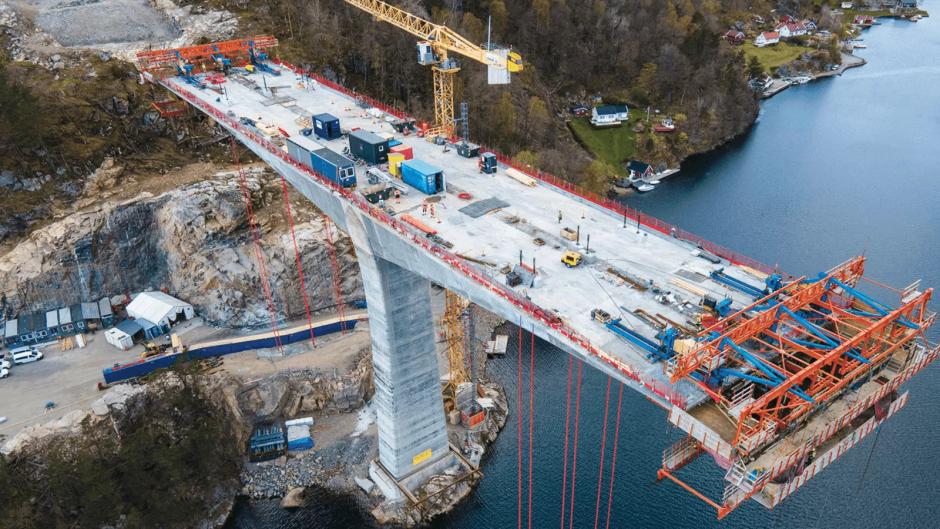
And on the ground, construction methods are changing and infrastructure is adapting. More and more innovative solutions are emerging to address climate constraints, such as the ADFORS GlasGrid system, which enables pavements to be repaired and reinforced, thus extending their lifespan, through the application of a fiberglass grid combined with a layer of self-adhesive bitumen. Another example is the city of Phoenix in the United States, which regularly experiences temperatures in excess of 43°C. An innovative “cool pavement” program is already proving its effectiveness: new coatings reduce surface temperatures by up to 6°C compared with conventional pavements, and double their lifespan from four to eight years. The Trysfjord bridge in Norway, the world’s largest cantilever bridge, was built using Leca® 800 low-density aggregate to guarantee strength and durability under extreme conditions.
Innovation has a key role
While these adaptations are an initial response, the scale of the climate challenges ahead demands that we go further. Technological innovation has thus become an essential lever when designing the infrastructure of tomorrow.
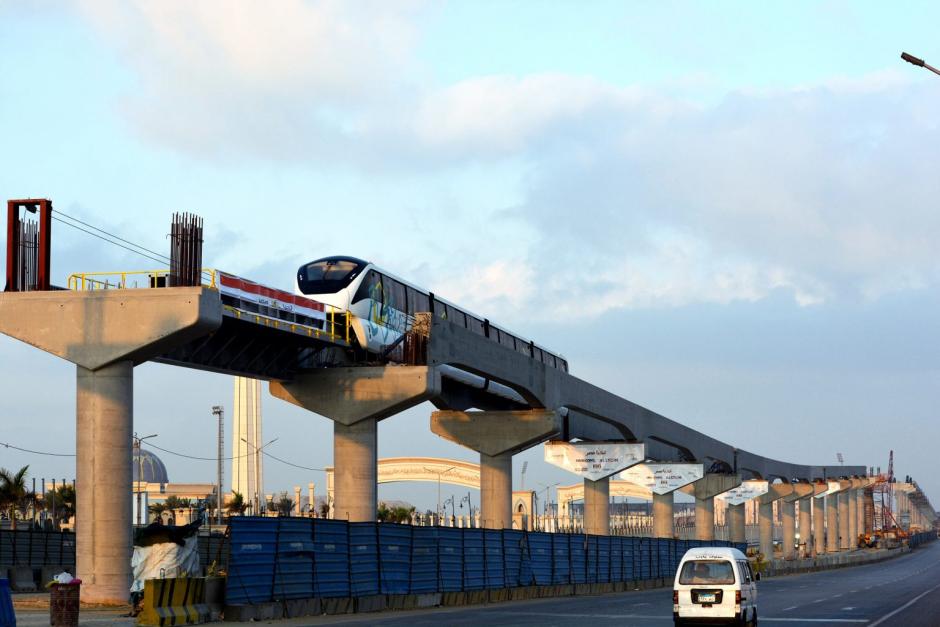
This means that the materials themselves are changing. Concrete, for example, is designed to be more resistant to extreme conditions. In Cairo, the world’s largest driverless monorail has met this challenge using innovations from Saint-Gobain Chryso. Its superplasticizers enable the concrete to maintain its properties between 5°C and 45°C, ensuring the durability of this major infrastructure that required 700,000 m3 of concrete. The same technology was used to build the Nancefield Bridge between Zimbabwe and South Africa. The Delaware Memorial Bridge is another good example. The renovation of its deck required the use of water-reducing admixtures specially designed by Chryso to triple the compressive strength of the concrete compared with conventional mixes. The first suspension bridge in the United States to feature a deck made using ultra-high-performance concrete, it is now designed to last over 50 years with very little maintenance.
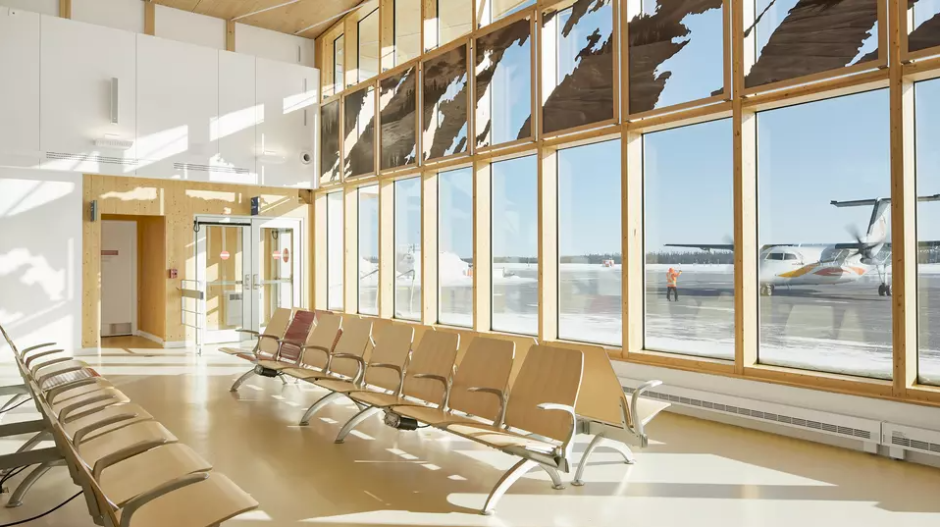
Innovation also affects infrastructure sensitive to climatic variations, such as airports, which have to maintain a stable indoor environment despite increasingly extreme outdoor conditions. In the face of these challenges, smart glazing is becoming a key factor for adaptation. At Brownsville/South Padre Island airport in Texas, for example, the 1,223 m² of SageGlass glazing automatically adapts to light and temperature conditions. This solution not only improves user comfort, but also reduces annual energy costs by 26.8%. In Canada, the Chibougamau-Chapais airport has opted for COOL-LITE® XTREME solar-control glazing, which is particularly effective in maintaining a comfortable temperature in areas subject to strong heat variations.
The capacity for prediction is also becoming an essential lever for adaptation. Technological innovation, digital simulation and artificial intelligence in particular, now makes it possible to predict the behavior of structures in the face of different climatic scenarios. As Pascal Éveillard points out: “Digital tools, and AI in particular, now enable us to simulate what types of climate risks an infrastructure will be exposed to in 10 years, in 20 years, and to identify right from the design phase what type of solution should be implemented.” This preventive approach is reinforced in the field with the deployment of smart sensors that monitor behavior in real time in the face of extreme climate events. This continuous monitoring makes it easier to anticipate risks and optimize maintenance.
What if Generative AI could help us build more sustainably?
There is no doubt that adapting infrastructure requires major investment, but the cost of inaction would be much higher. The World Bank estimates that the additional global cost of adapting infrastructure would be $2,000 billion if the decision to take action were to be postponed until 2030. The innovative projects emerging around the world show that it is possible to build and adapt our infrastructure to make it more resilient.
However, the challenge is greater than the technical aspect alone. It requires close collaboration between the public and private sectors, changes in construction design practices, the introduction of appropriate regulations and standards, and a long-term vision that incorporates future climate scenarios. The solutions exist and innovations proliferate. All that remains now is to step up their deployment to build truly sustainable infrastructure.
Sources :
- (1) https://www.cerema.fr/fr/actualites/changement-climatique-gerer-infrast…
- OCDE (2024), Des infrastructures pour un avenir résilient face au changement climatique, Éditions OCDE, Paris, https://doi.org/10.1787/464404b3-fr.
- https://www.cerema.fr/fr/actualites/penser-aujourd-hui-reseaux-infrastructures-plus-durables
- https://www.fntp.fr/wp-content/uploads/2024/05/fntp_vecteur_plus_aleas_…
- KEY ACHIEVEMENTS, PROJECTS & SOLUTIONS, January 2025 edition
- https://cities-today.com/phoenix-cuts-surface-temps-with-new-cool-pavem…
- https://www.drivingeco.com/fr/este-parque-infantil-tambien-zona-captaci…