
Hotels: when comfort drives the specification
True hotel luxury has become invisible: silence, temperature, light, air.
The Saint-Gobain solutions specified for this highly specialized non-residential market meet every requirement for comfort.
Here we focus on these criteria that make all the difference.

Behind every stay, every night in a hotel, there is a simple expectation shared by everyone: the need to recharge the batteries, unwind, and find some peace and quiet. Yet online reviews tell a completely different story. “I keep reading the same things: noisy rooms, temperature issues, and a lack of natural light,” says Sanchay Vaidya, Vice President of Strategy for Asia-Pacific at Saint-Gobain India.
Before every meeting with a hotel chain, his teams carefully review customer reviews on Booking and Agoda. From one continent to another, travelers have the same expectations. Nothing out of the ordinary. Reliability. Quiet rooms. Stable temperature. Natural light. Clean air.
Behind these seemingly basic expectations lies a clear message for hotel operators: a significant number of guests base their booking decisions, and their loyalty, on the physical comfort of the environment. This is even more important to them than service or the design of the hotel.

Comfort: a performance issue
The question is no longer whether comfort matters. It is understanding just how much of an impact it has on a hotel’s performance.
In France, an OpinionWay survey conducted for Ecophon in January 2026 puts this reality in figures. 86% of people surveyed say they have had their hotel stay ruined by noise. And 53% would be willing to pay more for a quiet room.
In a market where the average online rating has become a key indicator for asset valuation, a room with poor acoustics is no longer just an operational issue – it’s also a financial risk. A negative review of noise, heat, or air quality can negatively impact occupancy rates, average room prices, and the ability to gain the loyalty of premium clients.
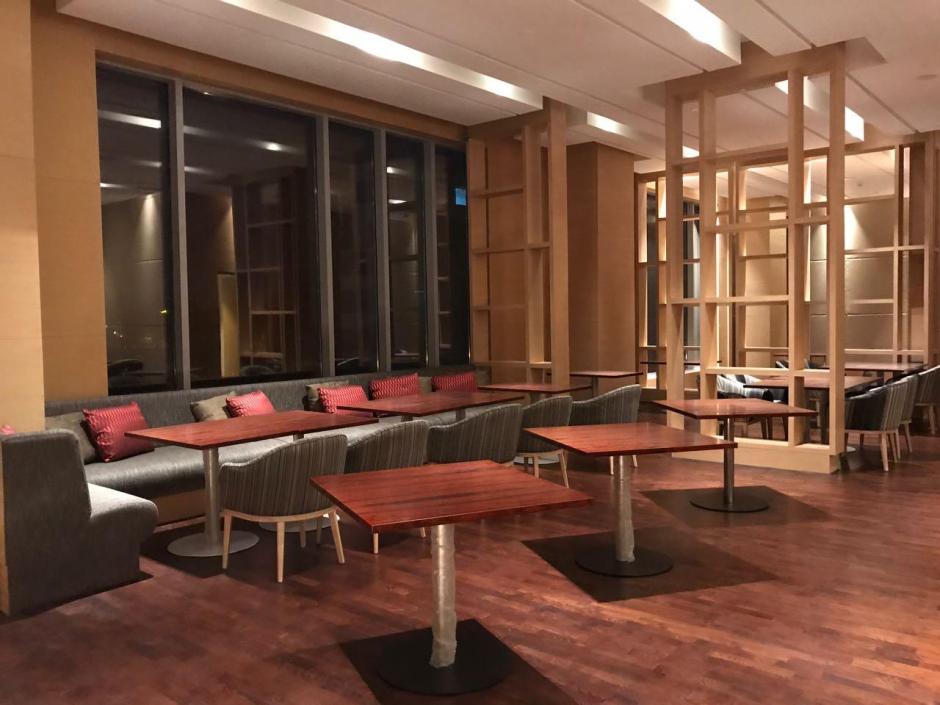
Noisy rooms? Acoustic solutions are available: sound-absorbing ceilings, high-performance partitions, and insulating glass. Temperature problems? The building envelope, solar shading, and thermal insulation help stabilize indoor temperatures without excessive energy consumption. Lack of natural light? The latest generation of glazing maximizes light transmission while filtering out the heat. Poor indoor air quality? Low-emissivity materials and integrated pollution control solutions address this issue.
Whatever the issue, the technical solutions are there. And Saint-Gobain has mastered them, through its ecosystem of complementary brands: Ecophon, Isover, Gyproc, Placo, Saint-Gobain Glass, Weber, and so on. But they need to be considered as a whole: these different aspects of comfort interact with one another, and treating them separately is not enough.
Experiencing complete comfort: the hotel as an ecosystem
So how can we ensure consistency across all aspects of comfort throughout an entire building? What is experienced inside a room depends on the choices made regarding the façade, partitions and ceiling, and on whether or not those choices were considered together. This is precisely where the Saint-Gobain answer lies: not simply adding solutions together, but integrating them right from the design stage so that they work together.
This requires getting involved well in advance, at the specification phase, when a project’s standards are set down.
Starting at the specification stage
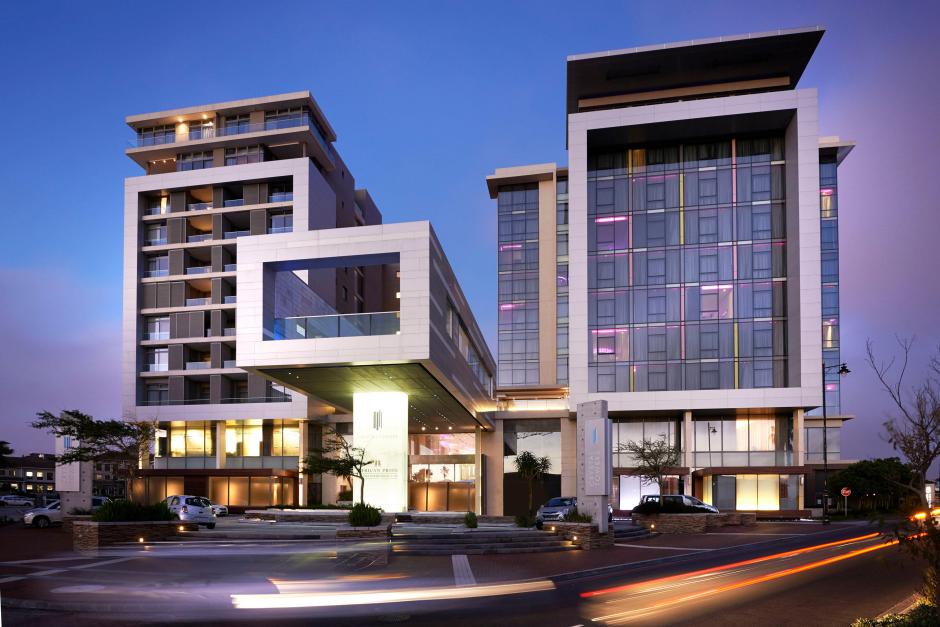
In the most highly structured hotel markets, the major international chains lay down their technical requirements even before issuing a call for tenders. Saint-Gobain works directly with operators’ project teams and architects to help them develop their standards, sometimes by proposing innovative solutions. The example of PrivaLit switchable glazing is a good illustration: “Hotel chains were unfamiliar with this product, which allows the transparency of a partition to be controlled on demand. We went to see them and showed them how it could enhance a luxury bathroom. They then asked their builders to incorporate it,” says Sanchay Vaidya. What was once an innovation has become a standard specification for all of their projects.
It is the hotel operators who specify which solutions to use. Our role is to be there for them at an early stage, working alongside them to help them develop their standards.
This same approach to integrated specification is also found in projects with multiple constraints. For the St. Regis at New Delhi Aerocity, directly overlooking an airport runway, there were multiple challenges: regulatory requirements for intruder-resistant glazing on the runway side, high levels of acoustic and thermal insulation, and transparency control for the interior partitions. Starting at a very early stage, the SG Infinity and Vetrotech teams jointly developed an integrated solution that addresses all three aspects.
Renovation without compromising the experience
Renovation requires the same rigor, often under more challenging conditions: renovating in phases while staying open for business, and ensuring the comfort of guests despite the construction work. This is an operational issue in its own right, which Saint-Gobain incorporates into its approach on the same level as technical performance issues. The Group has demonstrated this in a far more demanding context: the renovation of the Amsterdam University Medical Center (UMC).
This was entirely completed while the hospital remained in operation, where concerns over noise, dust, and air quality affected not guests but patients. It was largely through use of modular solutions, able to adapt to the successive phases of the renovation project, that these high standards were met. This same expertise, when applied to the hotel industry, provides operators with a concrete guarantee of business continuity.
Comfort and sustainability: the same approach to design
This integrated approach has another area of application, where it runs up against a persistent misconception: that environmental performance comes at the expense of occupant comfort. However, the reality on the ground is quite different. The vast majority of solutions that improve comfort also reduce energy consumption and the carbon footprint. Sustainability and comfort are not mutually exclusive. They stem from the same design intent.
For a hotel operator or investor, this convergence is both an opportunity and a necessity. When ESG considerations are addressed early on and integrated into the overall vision of the project, they do not detract from the guest experience. On the contrary, they improve it. The Tahko Sky aparthotel in Finland is a prime example of this. Designed to meet the growing demand for sustainable accommodation, it achieved a 70% reduction in the carbon footprint of its construction. The key was the use of carefully selected low-carbon materials. All of this without compromising on the acoustic and thermal performance expected of a high-end establishment. It is precisely because comfort and sustainability were integrated from the very beginning of the design phase that they work in tandem.
Whether it’s new build, renovation of occupied sites, or the upgrading of existing properties, behind the diversity of these projects lies a single, unchanging requirement: the creation of a comprehensive, cohesive experience of comfort, carefully considered from every angle. Saint-Gobain creates value by going beyond simply supplying products. It links up the various challenges and addresses them right from the design stage. And by doing so, it helps to redefine standards in hospitality.