How can we build sustainable infrastructure for the digital world?
Data centers shape our daily lives while posing immense challenges in terms of energy consumption and the environment. With their rapid growth, their requirement for absolute performance, and the need to reduce their carbon footprint, these critical structures represent an unprecedented opportunity for Saint-Gobain’s sustainable solutions.
Every time you send an email or ask ChatGPT a question, a data center somewhere in the world is working on it. These discreet buildings, often located on the outskirts of cities, have become the nerve centers of our digital lives. And their growth rate is mind-blowing: driven by the rise of the cloud, artificial intelligence, and streaming, the construction of data centers will represent an investment of €110 billion by 2030, excluding the IT equipment.
But this boom comes at a cost. Data centers currently consume 1.5% of the world’s electricity. This figure varies widely from one country to another: in Ireland, where data centers are very widespread, they account for more than 20% of the nation’s electricity consumption, compared with 4.4% in the United States and 3.1% in Europe as a whole. Projections indicate that global consumption could reach 3% by 2030.
What if generative AI could help us build more sustainably?
One question stands out: how can we build this massive infrastructure, which has now become indispensable, without increasing the carbon footprint of the digital world? The answer lies in a radically more sustainable design, capable of combining absolute technical performance with reduced energy consumption. This is exactly where Saint-Gobain’s expertise comes into play, by developing solutions that make these critical buildings more sustainable without compromising on their performance.
A distinction can be made between four different types of data center, depending on their role:
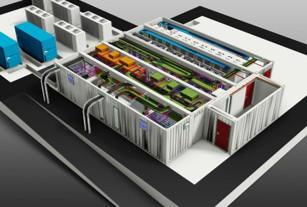
Corporate data centers
Private facilities dedicated to a single organization. They host their entire IT infrastructure: servers, storage, and network hardware.
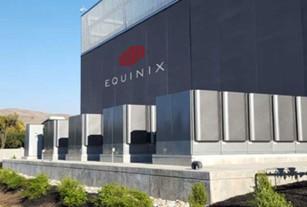
Colocation
Multi-tenant data centers that host equipment for several companies. The tenants rent space and share resources: power supply, cooling systems, and connectivity.
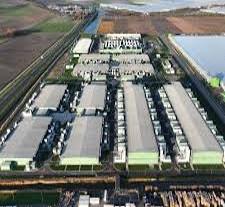
Hyperscale
Massive facilities designed to handle high workloads. They serve cloud providers, social media platforms, and other high-demand services. The emphasis is on scalability, efficiency, and cost control.
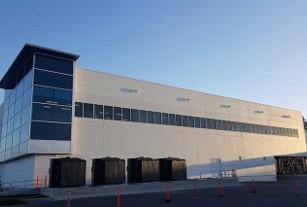
Edge
Located as close as possible to the end user, these data centers reduce latency by processing data where it is needed. They support the Internet of Things (IoT), content delivery, and real-time analytics.
Innovative solutions to unique technical challenges
To build data centers sustainably first requires an understanding of what makes them unique and imposes unparalleled construction constraints. Dutt Thirumalai, International Business Development Manager at Saint-Gobain, sums it up simply: “These are critical buildings. There is no room for error.” They pose specific and critical challenges:
- Requirement for speed
Unlike commercial or industrial buildings, data centers must be operational quickly, often in less than 18 months. This urgency favors the use of off-site construction solutions such as metal sandwich panels or EnveoVent façade systems, which combine structural lightness and speed of installation while optimizing energy performance.
- 100% uptime requirement
Once operational, a data center can never shut down. The cost of an outage can rise to approximately €8m for a typical site. This requirement for absolute continuity of service demands stringent performance guarantees and ultra-reliable materials capable of withstanding dust, humidity, and temperature variations.
- The major challenge of heat management
Servers can generate temperatures of up to 70°C, which must be cooled to between 22 and 27°C to ensure optimal performance. Stone wool insulation for ventilation ducts and Isover thermal protection solutions keep this heat under control while contributing to the acoustic comfort of the facility.
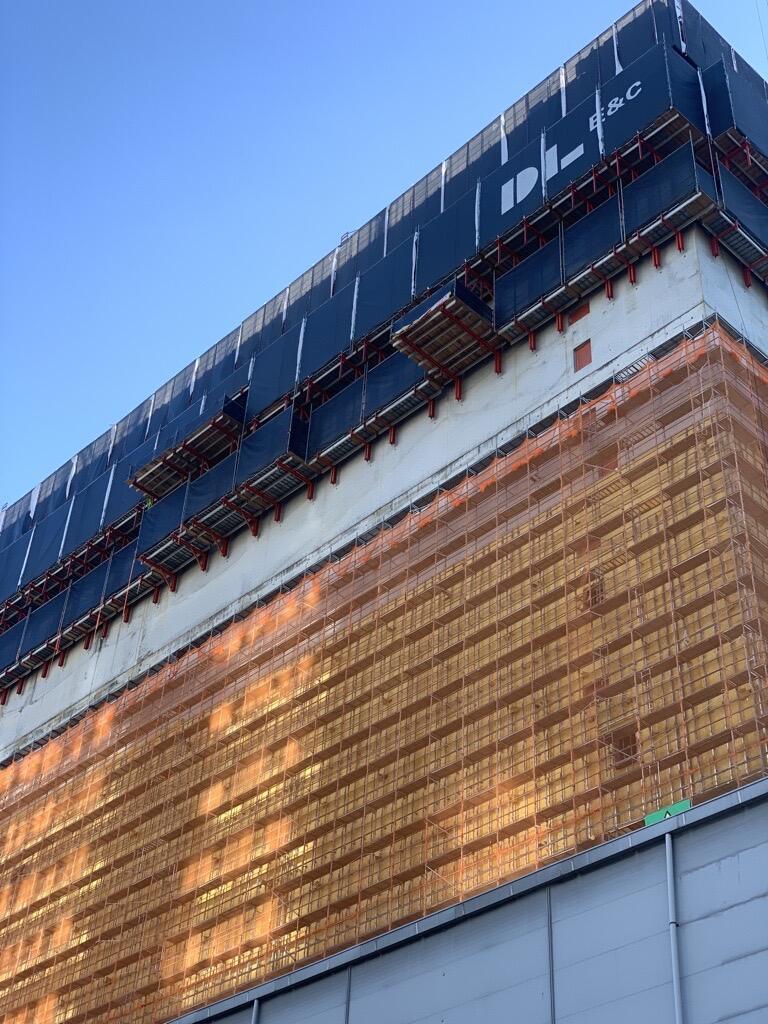
- Fire protection: a key concern
The fire compartmentation requirement is for 1 to 2 hours of fire resistance, with particular attention paid to cable penetrations. Saint-Gobain offers a comprehensive range of solutions: passive fire protection solutions, intumescent paints for metal structures, fire-resistant sealants and foams for cable penetrations, vermiculite flocking for ceilings, and fire-resistant mortars for partitions.
- Modular construction is becoming essential
Servers are replaced every 3 to 5 years to keep pace with technological developments. These minor but frequent upgrades require robust materials such as Placo® technical partitions equipped with Glasroc® X boards, which can withstand repeated modifications without any loss of performance. Rigitone and Ecophon ceilings offer the flexibility needed for the upgrades while maintaining acoustic performance.
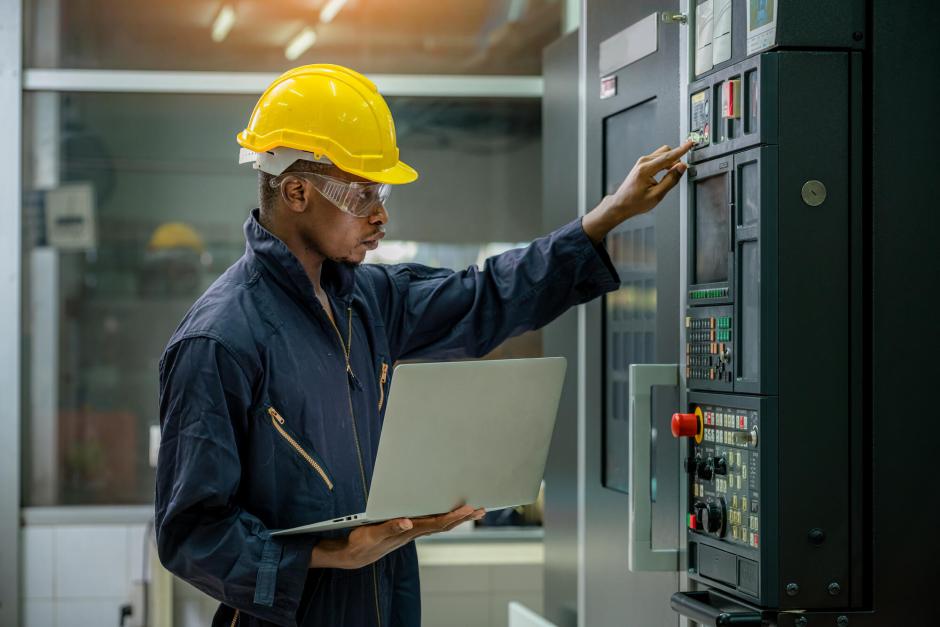
Imperative need for energy savings
Powering, cooling, and ventilating thousands of servers 24 hours a day, 7 days a week, results in enormous energy consumption. Faced with scrutiny over their environmental impact, hyperscalers such as Microsoft, Amazon Web Services (AWS), and Meta are responding. Nowadays, the inability to accurately report CO₂ emissions may disqualify a candidate from bidding for contracts with the largest stakeholders in the sector.
Adapting infrastructure to the climate has become vital
This requirement is radically transforming the sector’s approach: the goal is no longer just to reduce consumption, but to make data centers key stakeholders in the energy transition. Recovery of the waste heat generated by the servers is one promising avenue. In Odense, Denmark, the Meta data center heats 7,000 homes using this energy, which is fed into the district heating network.
This systemic approach is complemented by technical optimizations: liquid cooling, better suited to high-performance servers; high-performance envelopes (solar control glazing such as ECLAZ®, reflective roofs equipped with solar panels, lightweight façade systems); and low-carbon materials that are now a must.
Low-carbon requirements now extend to the entire building, right down to the foundations themselves. In construction chemicals, low-carbon admixtures, for example, can drastically reduce the
carbon footprint of concrete while providing the required mechanical performance. Waterproofing and protection solutions for underground structures ensure the long-term reliability of these facilities, which must operate flawlessly for decades. LEED Silver or Gold certification, which has long been optional, is now also the norm.
Behind the scenes at the Microsoft data hub
The Microsoft data hub project in Vélizy-Villacoublay (1,160 m², construction over 15 months), in the Paris region, is a concrete example of Saint-Gobain’s involvement in these exceptional projects.
The steel structure required under Microsoft’s standards, which is unusual in France, required technical support from Placo-Isover to guide local architects unfamiliar with this type of construction and to meet the project’s tight deadlines.
Fire compartmentation applies everywhere: the partitions are rated at 1 to 2 hours depending on the fire zone. As for the generator room, it required strict acoustic control (<75 dB) to limit noise pollution.
Off-site construction enabled the deadlines to be met, with sandwich panel facades and plug-and-play modular systems inside server rooms for rapid commissioning. The roofing combines energy efficiency and generation, fitted with 30% solar panels and 70% reflective panels to limit heat absorption.
Building the digital world of tomorrow
Data centers embody the challenges of the digital world: while essential to our daily lives, they must reduce their environmental footprint. This paradox is pushing the construction industry toward new heights of innovation.
When innovation makes sustainable construction affordable
For Saint-Gobain, these buildings that never sleep have become a new and favored arena: demonstrating that digital performance can be built with the same ambitions as environmental performance. From low-carbon concrete foundations to fire protection systems, from thermal insulation to prefabricated facades, every material counts when it comes to ensuring reliability and durability. The Group thus serves this market segment globally with its broad portfolio of solutions and aims to continue aiming higher to build secure, sustainable, and resilient data centers.
To know more on Saint-Gobain’s safe, sustainable and resilient solutions for data centers, read the dedicated brochure.